Yes, electric cars need an MOT in the UK. A battery-electric vehicle does not have an exhaust emissions test, but it must still satisfy vehicle roadworthiness requirements. In England, Scotland and Wales, most private electric cars need their first MOT when they reach three years old and a test each year afterwards. In Northern Ireland, the first MOT for most private cars is normally at four years. The rules for certain taxis, commercial vehicles and other vehicle classes differ.
This guide explains the electric car MOT UK 2026 schedule, costs, checks and limits, using the Driver and Vehicle Standards Agency (DVSA) and official Northern Ireland guidance rather than garage advertising.
When is the first MOT due for an electric car?
| UK jurisdiction | First MOT | After first MOT |
|---|---|---|
| England, Scotland and Wales | By third registration anniversary | Every 12 months |
| Northern Ireland | Normally at four years old | Every 12 months |
Great Britain follows the GOV.UK first-test rules. Northern Ireland’s Driver and Vehicle Agency has a different testing regime; the NI Department for Infrastructure’s official testing-regime information describes the current four-year starting point for private cars. Some vehicle types can need a test earlier, so check your vehicle’s registration and classification instead of relying on age alone.
How much is an electric car MOT in 2026?
For a standard Class 4 passenger car in England, Scotland or Wales, the government-listed maximum MOT test charge is £54.85. That is a ceiling, not a fixed price or average market quote. MOT stations can charge less and the test fee itself is not subject to VAT. The figure applies to the vehicle class, not to whether its powertrain is electric. Northern Ireland has a separately administered vehicle test: nidirect lists £38.00 for a Class IV motor car full test, not the Great Britain maximum. Always check the appropriate fee schedule before booking.
Northern Ireland’s 2026 temporary MOT exemption certificates
The usual annual test timing has a specific 2026 Northern Ireland exception. According to nidirect’s official booking guidance, private cars first registered between 1 June 2019 and 31 May 2020 or between 1 June 2021 and 31 May 2022 with a currently valid Northern Ireland MOT qualify for an automatic Temporary Exemption Certificate (TEC) extending the test’s validity by 12 months. No action or paper certificate is normally needed. Vehicles with an expired MOT or a most recent test outside Northern Ireland do not qualify under that scheme. Owners should verify the actual MOT due date rather than assuming all vehicles in the eligible age groups receive an extension. Cars must remain taxed, insured and roadworthy even during the extension.
What does an electric car MOT actually check?
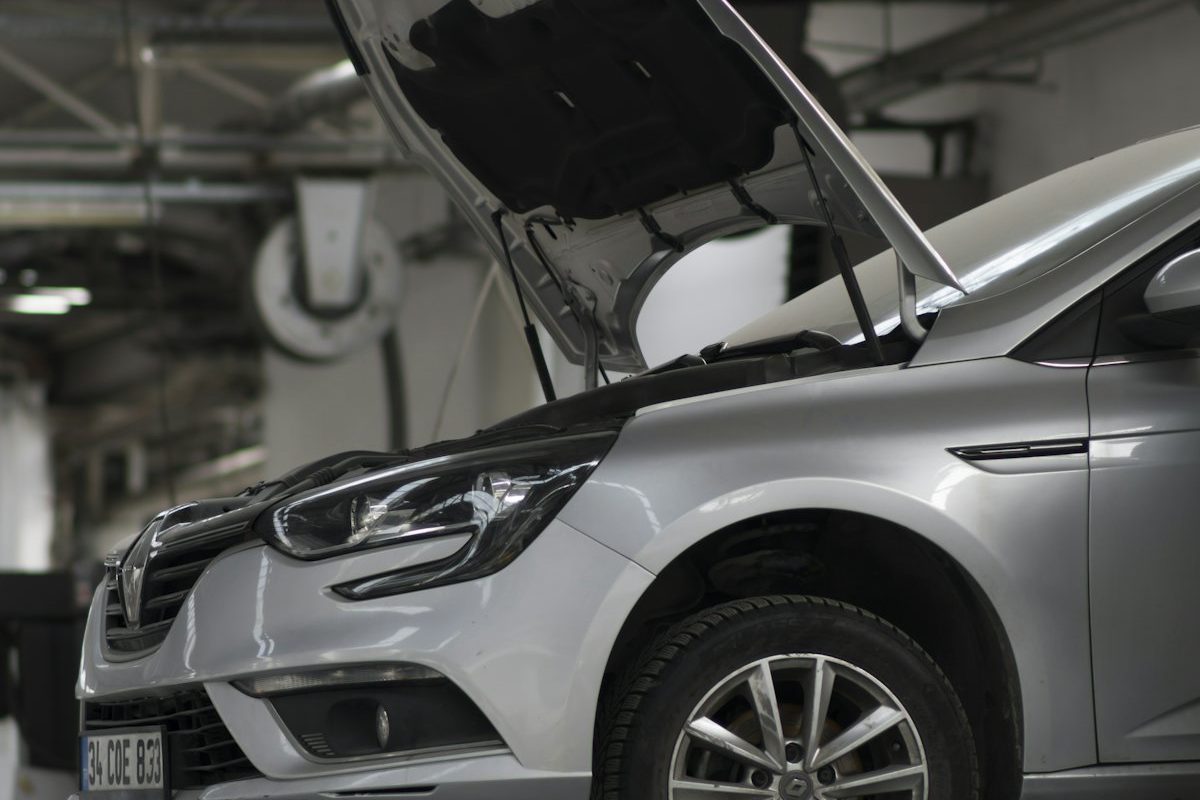
According to the DVSA inspection manual, the normal roadworthiness checks continue to apply to EVs. Common categories include:
- Tyres and wheels: tread condition, visible damage and suitability.
- Brakes: service brake and parking-brake operation, associated safety components and performance.
- Steering and suspension: wear, damage and insecure components.
- Lights and electrical safety systems: obligatory lamps, certain warning indicators and related checks.
- Visibility and restraints: windscreen, mirrors, wipers, seat belts and other prescribed items.
- Body and structure: relevant corrosion, damage, security and vehicle identification.
The exact inspection depends on the vehicle and applicable rules; this is not an exhaustive checklist. Regenerative braking does not remove the need for functioning friction brakes, and low electric-motor maintenance is not an MOT exemption.
Do MOT testers inspect the high-voltage system?
The DVSA advises testers to avoid touching high-voltage components and wiring, which may be identified by orange insulation. Testers assess applicable visible roadworthiness items without dismantling the vehicle. This does not amount to a detailed pack-health inspection or a promise that every hidden battery component has been checked. The official EV and hybrid safety advice appears in the MOT inspection manual introduction.
Does an EV MOT include an emissions test?
A fully battery-electric car has no combustion-engine tailpipe, so the usual petrol/diesel exhaust gas measurements are not applicable. This does not mean the vehicle produces no tyre or brake particles, nor that it is exempt from mechanical and safety checks. A plug-in hybrid may have a petrol or diesel engine; its inspection rules depend on its configuration. Consult the applicable DVSA emissions inspection instructions rather than assuming every electrified car is treated identically.
Does passing the MOT mean my EV battery is healthy?
No. A pass means the tested items met the relevant standards at the time of the test. It is not an independent certification of battery capacity, remaining driving range, fast-charging performance or warranty eligibility. Before purchasing a used electric car, request the battery state-of-health record if available, inspect manufacturer warranty terms, and consider a specialist diagnostic. Read our used-EV battery state-of-health guide and battery warranty explainer for those separate checks.
How to check your MOT due date or book a test
- Use the official GOV.UK MOT history service with the vehicle’s registration number to check results and expiry date for vehicles in its database.
- Choose an approved MOT station and confirm the vehicle class and quoted price. A specialist electric-car service may be helpful for additional diagnosis, but it is not itself a substitute for an authorised MOT.
- In Great Britain, a test can normally be done up to one month minus one day before its expiry while preserving the existing renewal anniversary; testing earlier changes the next anniversary.
- Check tyres, lights, wipers, fluid leaks and dashboard warnings beforehand. Do not touch orange high-voltage cabling; refer concerns to a qualified technician.
What happens if the MOT expires?
GOV.UK states you generally cannot drive or park a vehicle on the road in Great Britain after its MOT has expired. Limited exceptions include driving to a pre-arranged MOT appointment or to or from a place of repair. A fine of up to £1,000 can apply for driving without a valid MOT. Exempt journeys never remove the requirement to keep the vehicle safe. Consult the government’s current wording for your circumstances and use separate NI guidance for Northern Ireland.
Do road tax and MOT rules work the same way?
No. Vehicle Excise Duty (VED) is a taxation requirement; the MOT tests roadworthiness. Do not assume a battery-electric car’s taxation treatment changes when its MOT becomes due. Our UK electric-car road tax guide for 2026/27 covers the tax rules separately. For tyre information before a test, see the EU tyre-label guide (which explains efficiency and wet-grip ratings, not legal tread-depth compliance).
Official sources and scope
Primary references: GOV.UK MOT timing, MOT fees, inspection scope, the DVSA inspection manual, , NI vehicle-test fees and NI TEC and booking rules. The Great Britain fee and inspection manual should not be applied automatically to Northern Ireland. Information checked 7 November 2026.
Sık Sorulan Sorular
Do electric cars need an MOT in 2026?
Yes. Battery-electric cars in the UK are generally subject to the same age-based roadworthiness-test requirements as comparable combustion-engine cars. In Great Britain most private cars begin at three years; private cars in Northern Ireland normally begin at four years.
How much is an electric car MOT in Great Britain?
GOV.UK lists a maximum £54.85 Class 4 MOT fee for a standard car. Approved test stations can charge less. Northern Ireland uses a separate testing system and fees.
Does an MOT test EV battery health?
No. The MOT is a legal roadworthiness inspection, not a state-of-health or usable-capacity test of a high-voltage traction battery. A separate EV battery diagnostic is useful when buying a used EV.
Can I drive an electric car with an expired MOT?
In Great Britain you generally cannot drive or park it on the road with an expired MOT; limited exceptions include journeys to a pre-arranged MOT test or to or from repairs. The vehicle must still be roadworthy.
Do electric vehicles undergo an exhaust-emissions MOT test?
A pure battery-electric car has no combustion engine or exhaust system to test for gaseous emissions. Other roadworthiness checks still apply; plug-in hybrids are different vehicle types.