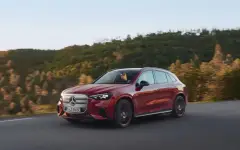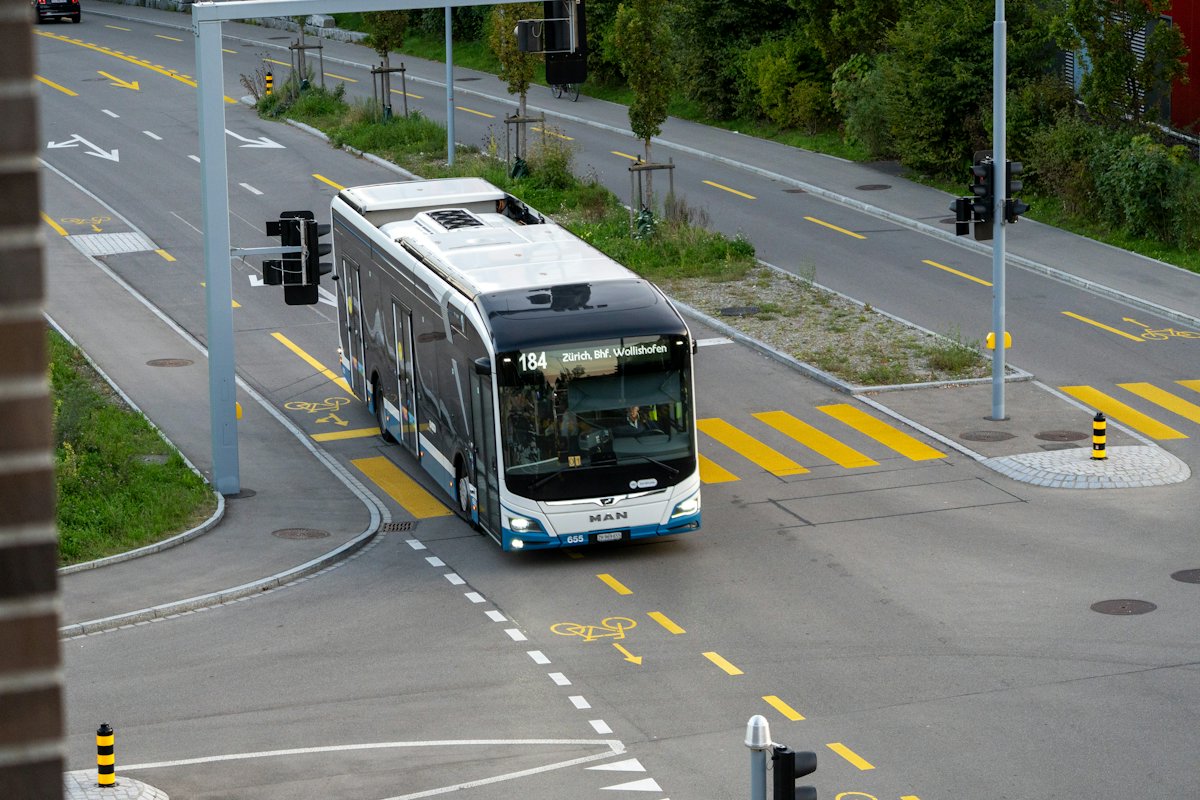
Yes, electric cars can improve local air quality when they replace petrol or diesel vehicles, because battery-electric cars produce no tailpipe emissions while driving. That removes one source of roadside exhaust pollution, including nitrogen oxides and combustion particles. However, it does not eliminate pollution from tyres, brakes, roads, power generation or manufacturing. The public-health benefit depends on the place, scale of adoption and actual reduction in exposure.
This evidence-based guide separates three frequently confused questions: what leaves the vehicle’s tailpipe, how city-wide pollution changes, and what scientists can say about health. It draws on the World Health Organization (WHO), the US Environmental Protection Agency (EPA) and the European Environment Agency (EEA).
What pollution do electric cars eliminate?
According to the US EPA’s guide to electric and plug-in hybrid vehicles, all-electric vehicles have no exhaust emissions. At the point of use, a battery-electric car does not burn petrol or diesel and therefore does not directly release combustion-related NOx, carbon monoxide or exhaust soot into the street. By contrast, a plug-in hybrid can still generate exhaust whenever its engine operates.
This distinction matters most where residents, pedestrians or cyclists spend time near busy roads. Reducing exhaust at the source changes what people may be exposed to locally; it does not guarantee a particular change in their measured pollution exposure.
What does air pollution do to human health?
WHO’s 2025 technical document on transport, air pollution and health describes strong evidence linking transport-related air pollution to adverse outcomes, including cardiovascular disease and asthma in children and adults. WHO’s outdoor air pollution fact sheet estimates that ambient air pollution caused 4.2 million premature deaths worldwide in 2019.
Important context: That WHO figure is the estimated worldwide burden of all ambient outdoor air pollution, not a count of deaths attributable specifically to cars—and not the number of deaths that replacing vehicles with EVs would prevent. There is no sound basis for assigning the full total to electric-car policy.
NO2 versus PM2.5: why the difference matters
| Pollutant/source | Battery-electric car while driving | What remains? |
|---|---|---|
| Tailpipe NOx and carbon monoxide | No direct combustion exhaust | Other road vehicles and non-traffic sources |
| Exhaust particulate matter | No combustion exhaust | Particles from other emitters |
| Tyre and brake wear PM | Still possible | Friction and road-abrasion particles |
| Electricity generation emissions | Not emitted at the vehicle | Varies with power source and location |
NO2 is nitrogen dioxide; NOx refers to a group of nitrogen oxides. PM2.5 is particulate matter with an aerodynamic diameter of 2.5 micrometres or less. Both measured concentrations and health effects depend on more than whether the nearest vehicle is electric.
Do EV tyres and brakes still release particles?
Yes. The EPA MOVES emissions modelling guidance specifically includes electric-vehicle brake and tyre particulate matter. Regenerative braking often reduces the use of friction brakes, but it does not remove the brake system and it does not prevent tyre or road wear. Vehicle mass, tyre construction, driving behaviour, road surfaces and speed influence the outcome.
In its 2025 transport assessment, the EEA reports that non-exhaust particulate matter emissions from road transport rose by 63.1% in the EU-27 from 1990 to 2023. This is a trend for road transport as a whole; it does not demonstrate that electric vehicles caused that increase. The report also notes measurement uncertainties. For a technical explanation, see our separate EV brake- and tyre-dust article.
What about power plants and the electric grid?
A zero-emission tailpipe is a location-specific statement, not proof of zero lifecycle pollution. Electricity can be generated using sources with different emission profiles. The EPA notes that EVs usually have lower overall emissions associated with driving than comparable gasoline cars, with cleaner electricity improving outcomes. But where power plants operate, how they are regulated and where people live also matter to local air-quality exposure. Read our EV versus petrol lifecycle-emissions comparison for the broader climate question, which is related but not identical to roadside health exposure.
Can a city measure the health benefits of more EVs?
There is no reliable one-size-fits-all percentage for how much a city’s NO2 or PM2.5 improves when one vehicle is replaced. A credible evaluation should look at local fleet mix, traffic counts, nearby industry and heating emissions, meteorology, seasonal changes and street-canyon effects. It can compare monitoring data before and after an intervention, preferably against similar locations without the intervention, while acknowledging uncertainty.
Population-level health assessments must additionally estimate how exposure changes affect relevant people over time. An EV sales statistic or a charger installation alone cannot prove that asthma attacks or cardiovascular admissions declined because of that intervention.
Are electric cars quieter and therefore healthier?
Electric vehicles can reduce drivetrain noise at lower speeds, but wind and tyre noise remain, especially as speed increases. Low-speed pedestrian-warning systems also exist for safety. As a result, quieter cars alone cannot eliminate harmful transport noise. See why electric cars make warning sounds at low speed. The EEA supports a broader potential reduction in transport noise pollution from electrification while emphasising that wider mobility measures are necessary.
What is the best way to improve urban air quality?
Replacing combustion trips with battery-electric travel can reduce roadside tailpipe emissions. Yet cleaner power generation, fewer unnecessary car trips, better public transport, safe walking and cycling infrastructure, and measures addressing brake and tyre particles also matter. The EEA’s electric-vehicles overview explicitly notes that EVs alone cannot make transport sustainable.
For individuals, local air-quality reports and official monitoring networks are more useful than general claims that a city has become “pollution-free.” People with respiratory or cardiovascular concerns should follow advice from qualified healthcare professionals rather than treating transport technology as medical treatment.
Evidence and limitations
Sources: EPA tailpipe-emissions guidance, EPA particulate modelling, WHO 2025 transport and health report, WHO outdoor-air-pollution fact sheet and EEA transport emissions assessment. This is a research explainer, not a clinical trial or individual medical advice. Information checked 7 November 2026.
Sık Sorulan Sorular
Do electric cars reduce air pollution?
Replacing a petrol or diesel vehicle with a battery-electric car eliminates that car's exhaust emissions at the roadside. Actual changes in local NO2 and fine-particle concentrations depend on how many vehicles switch, other pollution sources, weather and traffic patterns.
Do electric cars produce PM2.5 particles?
Yes. Although battery-electric cars have no exhaust particles, tyre wear, brake wear and road abrasion can still generate particulate matter, including some fine particles. EPA includes these sources in its MOVES emissions model.
Are electric cars completely pollution-free?
No. Driving a BEV produces no tailpipe emissions, but tyres, brakes, road wear, vehicle manufacturing and electricity production have environmental impacts. They are not zero-impact vehicles.
Can electric cars prevent asthma?
It would be inaccurate to promise that using a single EV prevents asthma. WHO identifies links between traffic-related air pollution and adverse respiratory outcomes; reducing exposure can be beneficial at a population level, but individual outcomes depend on many factors.
Are plug-in hybrids as clean at the roadside as battery EVs?
Only while operating without the combustion engine. A plug-in hybrid can emit tailpipe pollutants whenever its petrol or diesel engine runs.