Quick answer: If you notice ringing or buzzing in your ears at night, you may be experiencing tinnitus—the perception of sound when there is no matching external sound source. A quiet bedroom can make the sound seem more prominent. Possible contributors include hearing changes, exposure to loud noise, earwax, certain medications or an ear problem. The symptom does not automatically mean permanent hearing damage, but some combinations of symptoms require prompt assessment.
What does tinnitus sound like?
Although commonly called “ringing in the ears,” tinnitus can also sound like buzzing, hissing, humming, roaring, clicking or whistling. It may affect one ear, both ears or seem to come from inside the head. The sound can be constant or come and go, and volume can seem to change. The National Institute on Deafness and Other Communication Disorders (NIDCD) describes these patterns and explains that most tinnitus is subjective—only the person experiencing it hears the sound.
Why does tinnitus feel worse at bedtime?
Daytime surroundings usually contain conversation, traffic, fans and other ordinary sounds. When those sounds fade in a quiet bedroom, an existing tinnitus sound may become more noticeable by comparison. Stress, difficulty sleeping and focusing attention on the ringing may also make it feel harder to ignore. This does not mean everyone has a special “nighttime ear condition” or that the tinnitus necessarily grows louder after sunset.
Common possible causes of ringing in the ears
Hearing changes and noise exposure
Tinnitus is often associated with hearing loss, although hearing loss is not present in every case. Repeated exposure to loud sound, such as power tools, concerts or high-volume headphones, may contribute. Protecting hearing from excessive noise matters regardless of whether ringing already exists.
Earwax, ear infection or ear irritation
Earwax blockage and ear infections sometimes trigger tinnitus. A healthcare professional can look inside the ear. Do not try to diagnose a blocked ear by poking it with a cotton swab or inserting objects; doing so can push wax farther in or injure the ear.
Medication-related tinnitus
Some medications can contribute to tinnitus, including certain pain relievers at higher doses and specific antibiotics or other treatments. Mention recent medication changes to your pharmacist or clinician; do not stop a prescribed medication on your own. Association does not prove that a medicine is the cause in your individual case.
Jaw, head or neck problems
Jaw-joint dysfunction, teeth grinding and some head or neck problems may be linked to tinnitus in certain people. If sound changes when you move your jaw or neck, tell your clinician. That observation can be part of an assessment but is not a home diagnosis.
Pulsatile tinnitus
Some people hear a rhythmic sound that appears synchronized with their heartbeat. This is different from a continuous high-pitched ring and may require evaluation for an underlying blood-flow or other condition. The NHS tinnitus guidance recommends urgent medical advice when tinnitus beats in time with the pulse.
How can you make tinnitus less noticeable at night?
- Use gentle background sound. Quiet rain sounds, a fan or low-volume white noise may help mask or distract from ringing for some people; volume should remain comfortable and low.
- Keep a consistent sleep routine. Choose regular sleep and wake times and reduce bedtime activities that increase stress.
- Protect your ears from loud noise. Use appropriate hearing protection in loud environments, but avoid unnecessary constant earplug use during ordinary quiet activities if it makes tinnitus more noticeable.
- Notice possible triggers without blaming every habit. Record loud-noise exposure, recent illnesses, new medicines and sleep disturbances. Not everyone benefits from removing caffeine or changing foods.
- Ask about evidence-based help if it persists. An audiologist can assess hearing. Hearing aids may be useful when hearing loss is present, and structured counseling or cognitive behavioral therapy can reduce tinnitus-related distress.
The NIDCD and World Health Organization discuss sound-based approaches, hearing care, counseling and behavioral therapies. No vitamin, herbal supplement or home remedy has been established as a universal cure for tinnitus.
Is tinnitus dangerous or permanent?
Many people experience temporary tinnitus, including after exposure to loud noise. Others have ongoing symptoms that can interfere with sleep or concentration. Tinnitus by itself does not establish a dangerous illness, but persistent, one-sided, newly changing or distressing symptoms deserve evaluation. Sudden hearing loss with tinnitus is an emergency. Delayed treatment of sudden sensorineural hearing loss can reduce the chance of hearing recovery, according to NIDCD sudden-deafness guidance.
When should you seek urgent medical care for ringing ears?
Seek immediate medical assessment if ringing begins together with sudden hearing loss, facial weakness, severe spinning dizziness (vertigo), or follows a significant head injury. Do not wait for the next morning to see whether sudden hearing loss improves. If the sound pulses in time with your heartbeat, obtain prompt medical advice even if you otherwise feel well.
Book a non-emergency appointment if tinnitus is frequent, lasts, mainly affects one ear, is worsening, or affects sleep, mood, concentration or work. A clinician may examine the ear, review medication history and refer you for hearing testing or further assessment.
What will a doctor or audiologist ask?
Be prepared to describe whether the ringing is in one or both ears, whether it is steady or pulse-like, when it began, any hearing change, dizziness, pain, ear discharge or recent noise exposure. Mention medicines and relevant head or jaw symptoms. This information helps determine whether a physical examination, audiogram or other testing is warranted.
Related guides and reliable sources
Sleep disruption can make symptoms more distressing. Our guide to feeling tired despite a full night of sleep explains common causes of unrefreshing sleep. Explore the site’s Health guides for other everyday questions.
Primary references: NIH/NIDCD: Tinnitus; WHO: Tinnitus Q&A (March 2026); NIDCD: Sudden Deafness; NHS: Tinnitus.
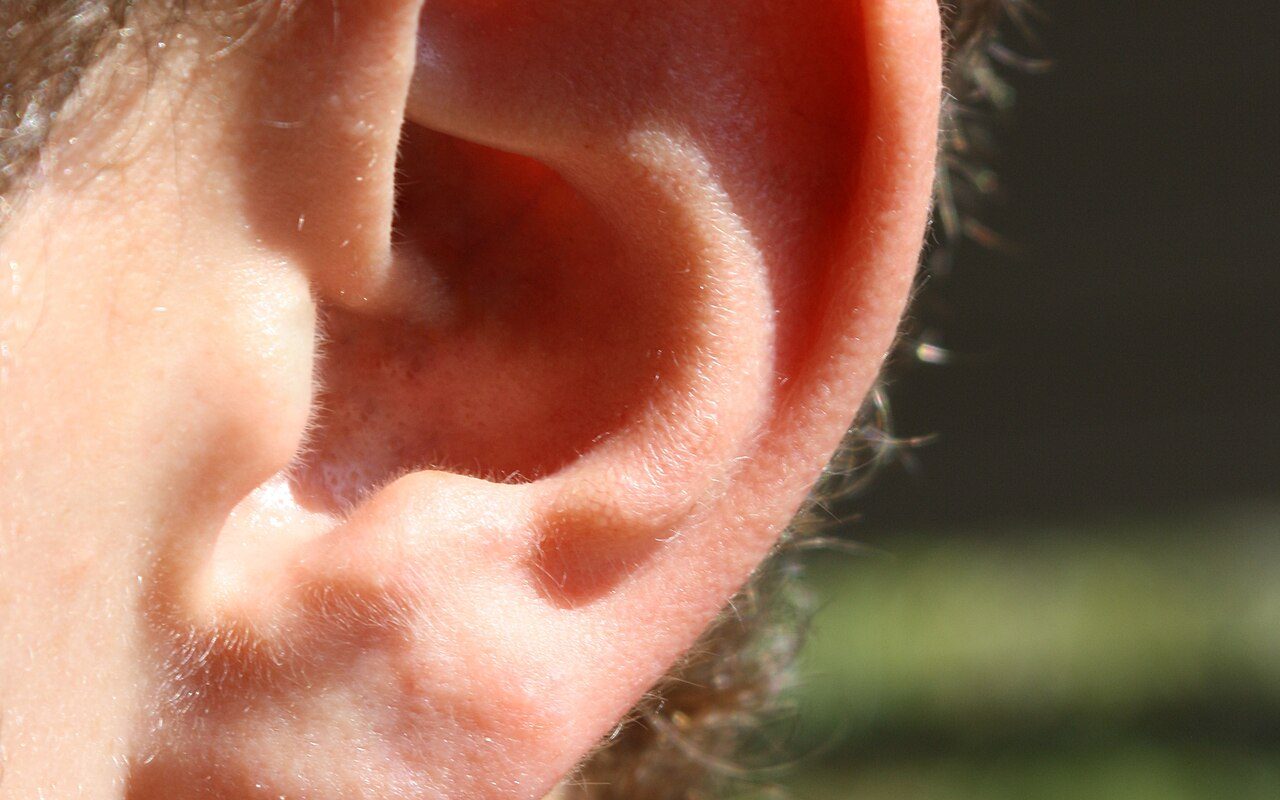
Health information notice: General education for U.S. readers, not a diagnosis or personal treatment plan. Official sources reviewed on November 9, 2026. The public-domain outer-ear photograph illustrates the anatomical subject and does not depict or confirm tinnitus in the person photographed.
Sık Sorulan Sorular
Why does ringing in my ears seem louder at night?
With less background noise, tinnitus often stands out more. That does not necessarily mean the underlying condition is getting worse overnight.
Can earwax cause ringing in the ears?
Yes. Earwax blockage and ear infections can sometimes trigger tinnitus. A clinician can examine your ear and advise whether a treatable problem is present.
Is a soft fan or background sound safe for tinnitus?
Gentle background sound may make tinnitus less noticeable at bedtime. Keep volume low and avoid prolonged loud sound, which can harm hearing.
When is ear ringing an emergency?
Get immediate medical evaluation for tinnitus with sudden hearing loss, new facial weakness, severe vertigo, or after significant head injury. Ringing that matches your pulse also needs prompt medical assessment.