Quick answer: If you must drive an electric vehicle during a wildfire-smoke event, keep the windows closed, use the cabin’s air-recirculation setting when appropriate, and ensure the cabin filter is in good condition. However, no electric car is automatically smoke-proof. Whenever air-quality alerts are severe or visibility is unsafe, postponing the trip is preferable.
Why wildfire smoke matters inside a vehicle
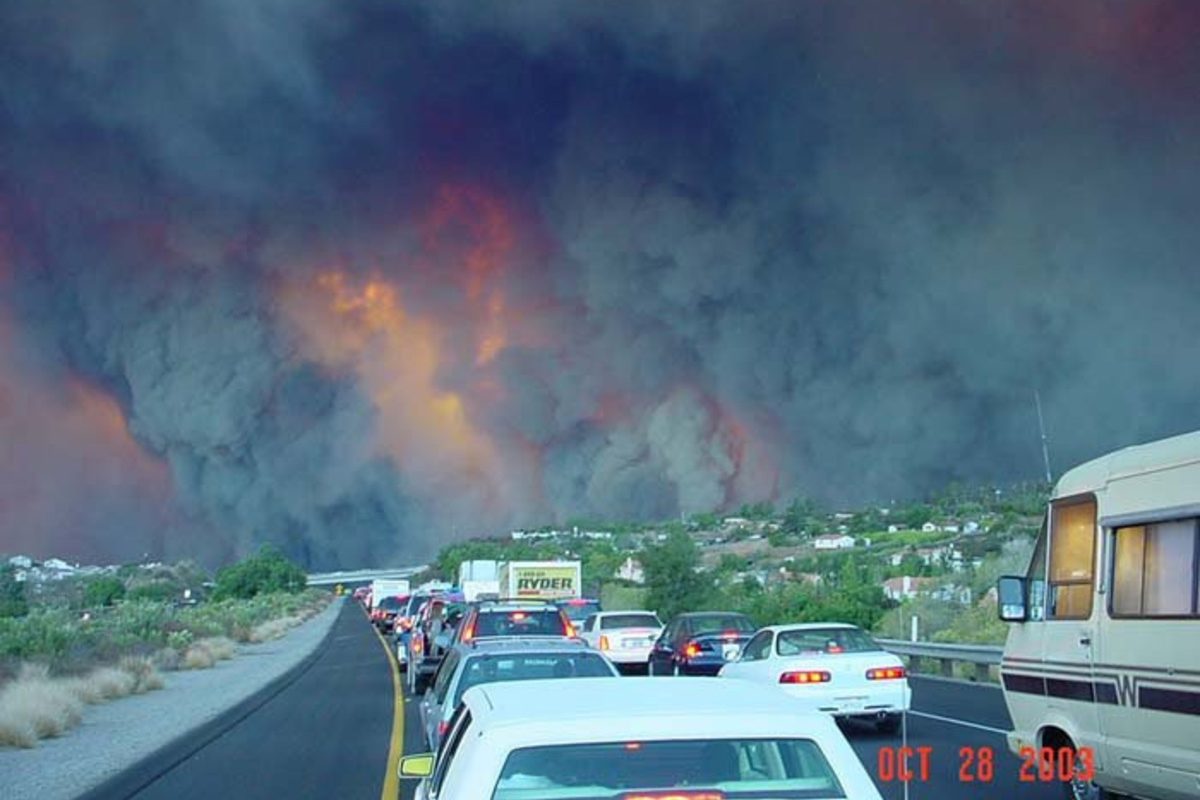
Wildfire smoke contains gases and fine particles, including PM2.5. These microscopic particles can enter the respiratory system, worsen asthma and other lung or heart conditions, and affect people even when the vehicle is moving through smoke rather than parked near a fire. An EV has no exhaust pipe emissions while driving, but that does not stop outside wildfire pollution from entering through ventilation, open windows or leaks.
What setting should you use in your EV?
When driving through smoky air, closing all windows and selecting recirculation can reduce the amount of outside air brought into the cabin. In many vehicles, recirculation is indicated by a car outline containing a curved arrow. Follow the vehicle manufacturer’s instructions: some climate-control systems automatically switch modes to manage windscreen fogging, and prolonged recirculation may require periodic ventilation when outside conditions permit. Never compromise visibility by leaving a fogged windscreen untreated.
Does a HEPA cabin filter protect against wildfire smoke?
High-efficiency particulate air (HEPA) filtration is designed to capture very small airborne particles under specified test conditions, but an EV’s overall protection depends on airflow, seals, filter installation, filter age and the ventilation system. Not every electric car has a true HEPA filter, and advertising terms such as “advanced air filtration” do not describe an identical standard across brands.
Filters primarily address particles; they do not guarantee removal of all smoke gases or odours. A heavily clogged cabin filter may also reduce airflow and demisting performance. Check the owner’s manual for the correct replacement part and service interval rather than fitting an incompatible high-restriction filter.
Does an EV have cleaner cabin air than a petrol car?
Electric propulsion eliminates tailpipe exhaust from the EV itself, which can help reduce local traffic pollution. But during a regional wildfire event, surrounding smoke can affect both electric and combustion-engine vehicle cabins. For this specific exposure, the ventilation design, sealing and filtration matter more than whether the vehicle has a battery or an engine.
For broader context, read Do Electric Cars Improve Air Quality? That discussion distinguishes lower exhaust emissions from pollution generated by tyres, roads and external sources.
Before driving in smoky conditions
- Consult official local air-quality and emergency alerts. In the United States, AirNow’s wildfire resources offer current guidance and links to smoke information.
- Avoid discretionary journeys during hazardous air-quality conditions, especially for passengers with asthma, heart disease, pregnancy-related vulnerabilities or other increased health risks.
- Check the correct cabin filter and climate-system operation before an expected smoke season.
- Prepare a route that avoids nearby fire zones, closures and low-visibility roads; obey evacuation instructions.
- While travelling, close windows and use recirculation as conditions and demisting needs allow.
- After the trip, pay attention to filter odours or reduced airflow and inspect the filter according to the manufacturer’s instructions.
What about charging during a wildfire?
Avoid unnecessary outdoor exposure while charging when air quality is poor. Use a safe charging location away from fire zones, closed roads and damaged electrical equipment. Do not handle charging cables or stations affected by floodwater, fire damage or visible faults. A charging stop is not a reason to ignore evacuation orders or road closures.
When should you avoid driving altogether?
If authorities order evacuation, follow their guidance without delay; do not assume remaining inside a vehicle is safer than leaving an affected area. Otherwise, cancel or postpone non-essential trips when heavy smoke, dangerous visibility or respiratory symptoms make travel unsafe. Seek urgent medical help for severe breathing difficulty, chest pain or other emergency symptoms.
Practical limits of filtration
A cabin filter is a helpful exposure-reduction tool, not a medical device or substitute for clean indoor air. No single percentage reduction can be promised for every EV because results vary with the car, filter, fan settings, door openings and smoke levels. Read the EPA wildfire smoke educational guidance and CDC wildfire safety advice for health precautions.
Related EV safety guidance
For unusual weather and vehicle risk, see our EV floodwater and battery safety guide. These two weather hazards require different precautions.
Sık Sorulan Sorular
Does a Tesla or another EV prevent wildfire smoke from entering?
No. Some models include advanced filtration, but no electric car should be treated as completely sealed or smoke-proof.
Should I use fresh air or recirculation during wildfire smoke?
Closing windows and using recirculation where safe can reduce the entry of outside smoke. Follow the car's demisting instructions and maintain clear visibility.
Can an EV cabin filter remove all smoke gases?
No. Particle filters do not guarantee removal of all gases, odours or hazardous smoke components.