Quick answer: To check for possible odometer fraud before buying a used car, compare the dashboard mileage with the title, past inspection and maintenance records, vehicle history data and signs of physical wear. Inconsistent readings are a warning to investigate, not automatic proof of fraud.
Odometer fraud means intentionally disconnecting, resetting or altering a vehicle’s odometer so the displayed mileage no longer reflects its actual use. The U.S. National Highway Traffic Safety Administration (NHTSA) estimates that hundreds of thousands of vehicles are sold with false odometer readings annually. A lower displayed mileage can make a car appear newer or less worn than it is.
Seven checks to make before buying
1. Compare the odometer with the title
Request the vehicle’s title and compare any recorded odometer disclosure with the current dashboard. Check for inconsistent dates, corrections or title information that does not match the vehicle identification number (VIN).
2. Request maintenance and inspection records
Look for mileage and dates on oil-change receipts, repair invoices, tire-shop records, emissions-test documents and inspection reports. A sequence such as 95,000 miles on an older invoice followed by 58,000 miles on a newer dashboard is a reason to seek documentation and an explanation.
3. Look up the vehicle history
A VIN-based vehicle history report may show mileage recorded during prior transactions and inspections. The federal National Motor Vehicle Title Information System (NMVTIS) provides access to approved title-history reporting providers. Reports can be incomplete or lag behind events, so confirm any discrepancies independently.
4. Compare wear with the reported mileage
Look at pedals, seat bolsters, steering wheel, controls and interior trim. Very heavy wear with unusually low mileage can justify closer inspection. Wear alone is not a reliable mileage measurement because driving conditions and maintenance differ.
5. Inspect tires and maintenance labels
NHTSA advises checking whether tires and maintenance stickers are consistent with the mileage shown. Tire replacement can occur early, and tire condition is only a clue—not proof of tampering.
6. Arrange an independent inspection
Ask a qualified mechanic to inspect the car before purchase. Depending on the vehicle, a professional may be able to compare readings from available onboard modules or service records, but electronic mileage information is not uniformly available or conclusive for every make and model. The FTC used-car guidance stresses that a vehicle history report cannot replace an independent mechanical inspection.
7. Check recalls and ownership details
Use NHTSA’s free VIN recall search to check open safety recalls, and confirm the seller’s identity, title and VIN match the actual vehicle. A recall lookup is useful for safety, but it is not a mileage-verification tool.
Example: what a mileage discrepancy could mean
Imagine a car listed at 62,000 miles, while a dated service invoice from two years earlier shows 89,500 miles. That is a serious inconsistency. Before alleging fraud, verify the VIN, whether records refer to the same vehicle, and whether an instrument-cluster replacement or documentation error explains the difference. Do not buy until the seller can provide satisfactory evidence.
Is odometer fraud possible on digital dashboards?
Yes. Digital displays do not eliminate the risk of manipulation. The same documentation checks apply to modern cars, including electric vehicles. Battery state of health and total driving distance are different measurements; a battery health percentage cannot independently confirm mileage.
What should you do if you suspect a rollback?
- Do not sign a purchase agreement while a major discrepancy is unresolved.
- Save the listing, VIN, title copy, screenshots, vehicle-history report, invoices and seller messages.
- Ask the seller for a written explanation and supporting records.
- Consult a qualified inspector and your state motor-vehicle or consumer-protection agency.
- Use NHTSA’s odometer-fraud page to find federal reporting guidance.
Related resources and photo credit
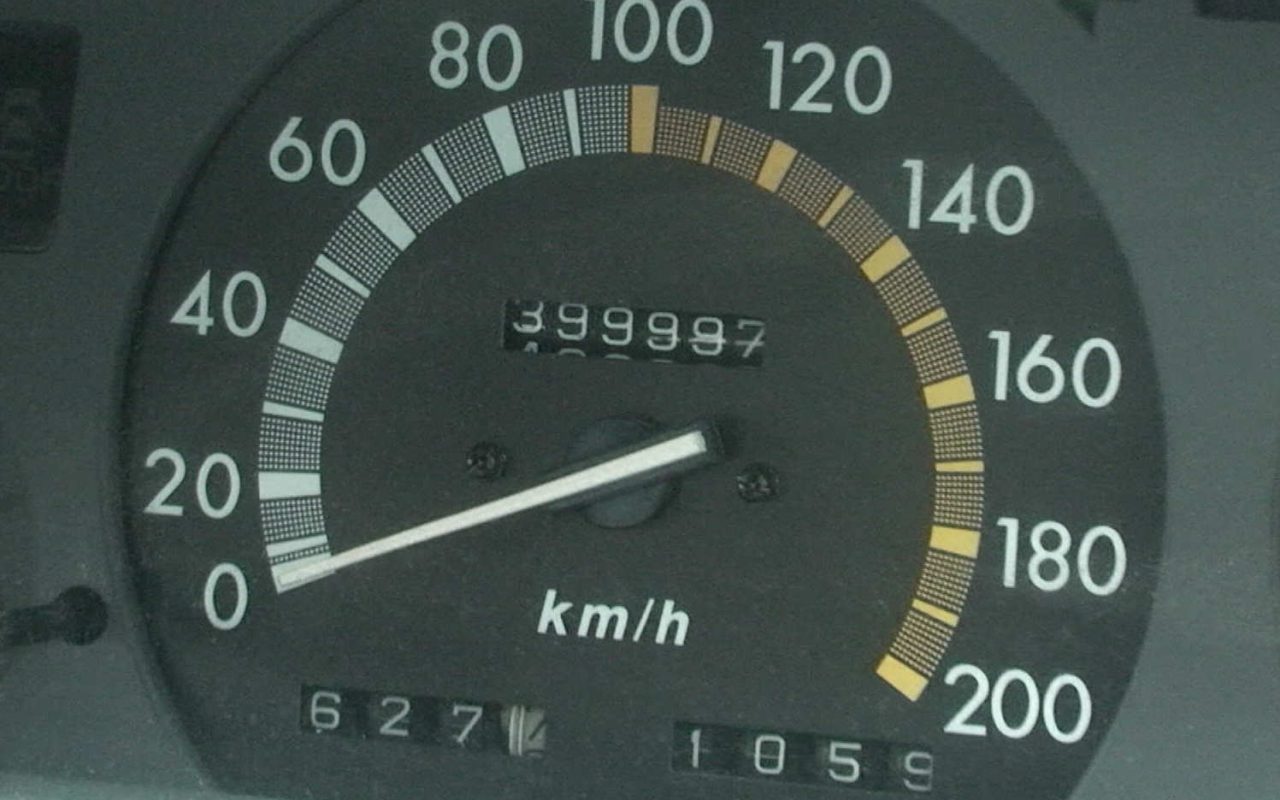
See our free VIN-check guide, tire date-code lesson and Car Buying & Ownership guides. Primary references: NHTSA — Odometer Fraud and FTC — Used Cars. Illustrative photo: Ant75, public domain, showing a kilometer-based Australian Toyota dashboard; this example photograph does not depict fraud.
Sık Sorulan Sorular
Can a digital odometer be rolled back?
Yes. Digital instruments do not guarantee that a displayed mileage reading is genuine. Cross-check records, vehicle history and independent inspection.
Does a clean vehicle history report prove mileage is correct?
No. History reports may omit events and recorded mileage; match the report with title, maintenance and inspection documents.
How can I report suspected odometer fraud?
Keep the documentation and consult NHTSA's odometer-fraud reporting resources and the relevant state motor-vehicle or consumer-protection agency.