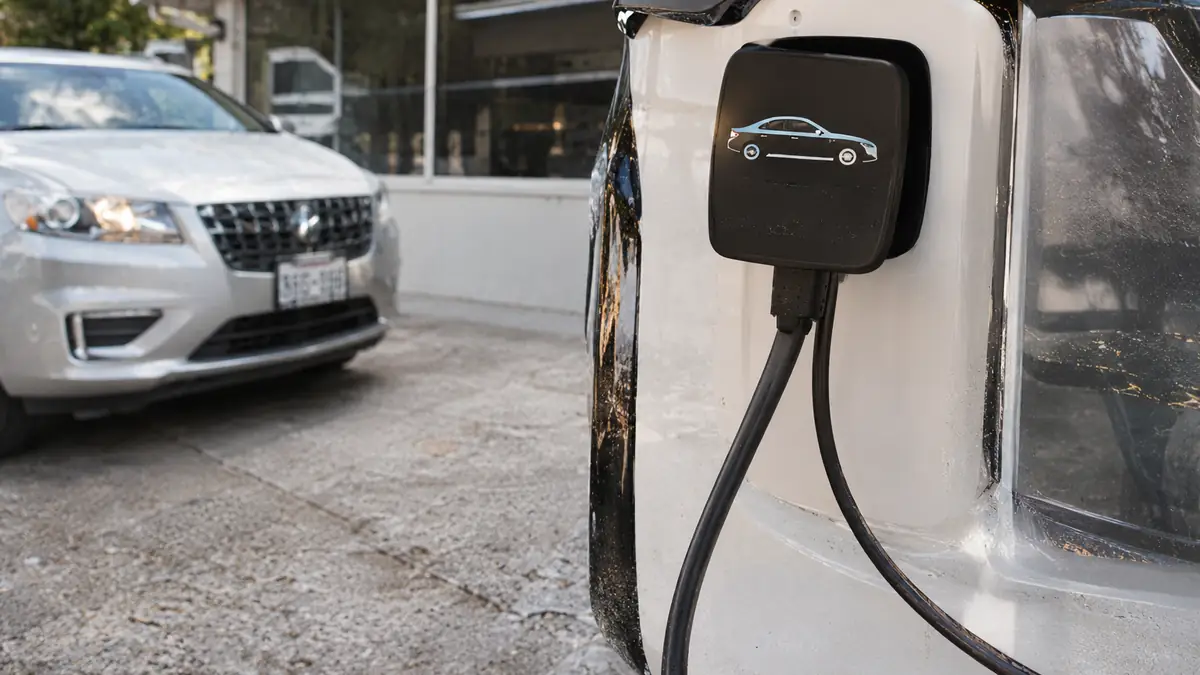
Short answer: Yes, some U.S. public EV chargers can charge you extra for occupying a charging space when the operator’s overstay or congestion rules apply. The fee is distinct from what you pay for electricity. There is no single nationwide idle-fee price or grace period. Check the exact network, charger and session screen before leaving your vehicle.
What is an EV charging idle fee?
An idle fee is typically an added charge that can begin when a vehicle remains connected after its charging session is finished, subject to the operator’s policy. A congestion fee may instead encourage drivers to move from a busy station after reaching a designated battery percentage, even if charging has not completely stopped. The names, timing and applicability depend on the operator; a parking garage may separately charge for parking.
Tesla Supercharger congestion fees in the United States
Tesla’s official Supercharger fee page currently describes a U.S. congestion fee that applies when a site is busy and the vehicle has reached the applicable battery-charge threshold or the charging session has ended. The support page identifies 80% as the usual high-charge trigger, with the threshold and conditions shown in the vehicle or Tesla app.
For U.S. locations, Tesla lists a typical $0.50 per minute congestion fee, notes that it may be up to $1.00 per minute by site, and describes a five-minute grace period to disconnect and depart after notification. These are published guidance figures, not a fixed quotation for every U.S. charging stall. Always consult the charging location’s current price display.
Can you get a Tesla fee while the car is still charging?
Yes. Tesla states that congestion fees can apply during active Supercharging once the vehicle surpasses the specified charge-level threshold at a busy site. Therefore, “I’m still charging” does not automatically mean “no extra fee.” It is the site conditions and charge-level rule that matter. The Tesla app and vehicle screen can show notifications and resulting fees.
What about EVgo and other charging networks?
EVgo’s published terms permit charges that may include session, idle, congestion, subscription and other fees, depending on your selected plan and location. Its parking-access guidance also says participating paid parking structures may have separate time limits and parking fees. The fee structure can change between stations, networks and parking hosts.
Do not assume that Tesla’s five-minute rule is used by a third-party DC fast charger. Check the station’s rate information, payment terms, app messages and parking signs for your specific stop.
How much could an extra EV charging fee cost?
Consider an illustrative session where a fee is $0.50 per minute after any grace period has expired. Ten chargeable minutes would add $5.00 beyond the energy charge; 20 would add $10.00. If the actual site applies $1.00 per minute, the same ten minutes would cost $10. The calculation is chargeable minutes × applicable fee per minute. These examples do not assume every location uses either rate.
How to avoid idle and congestion charges
- Read the station price before you begin. Look for idle, overstay, congestion, occupancy or parking terms.
- Enable notifications. Use the network or vehicle app to monitor charge progress and approaching limits.
- Choose a realistic charging target. When a busy network uses a high-charge threshold, set the charging limit consistent with your travel needs and vehicle guidance.
- Return promptly. End the session safely, disconnect according to the vehicle procedure and move from the dedicated stall.
- Keep the receipt. Review kWh charges, time-based fees and any taxes. Contact the operator if the charge appears inconsistent with posted terms.
Do free charging credits cover idle fees?
Not necessarily. A free or promotional energy allowance may exclude separate occupancy-related fees. Tesla describes exceptions for specific older free-Supercharging programs, but this does not mean every vehicle with free credits is exempt. Verify the benefit’s current terms instead of assuming an unlimited free parking privilege.
Is an idle fee the same as a parking ticket?
No. A network usage fee is normally charged under the operator’s charging agreement. A parking ticket or garage overstay fee can be separate, and private-property parking rules can apply even if the charger itself has no idle fee. Always read on-site parking restrictions, including accessibility and time-limit signage.
Related guides for U.S. EV owners
Our Tesla Supercharger access guide for non-Tesla EVs covers compatible connectors and approved adapters. If your charging session fails to start or stop normally, review our safe EV charging troubleshooting checklist. Each network’s latest official terms remain the controlling source for pricing.
Frequently asked questions
Do all public EV chargers charge an idle fee?
No. Policies differ by operator and site, and additional parking rules can apply separately.
Does a Tesla Supercharger congestion fee begin only after 100%?
No. At a busy applicable site, Tesla says the fee can begin when the vehicle reaches a stated high-charge threshold, even before the battery is full.
How do I dispute a charging overstay fee?
Save your session receipt, time stamps, charger identity and displayed rates, then contact the network’s support team.
Reviewed November 8, 2026. Charging-network policies and prices may change; always confirm the actual site’s terms before charging.