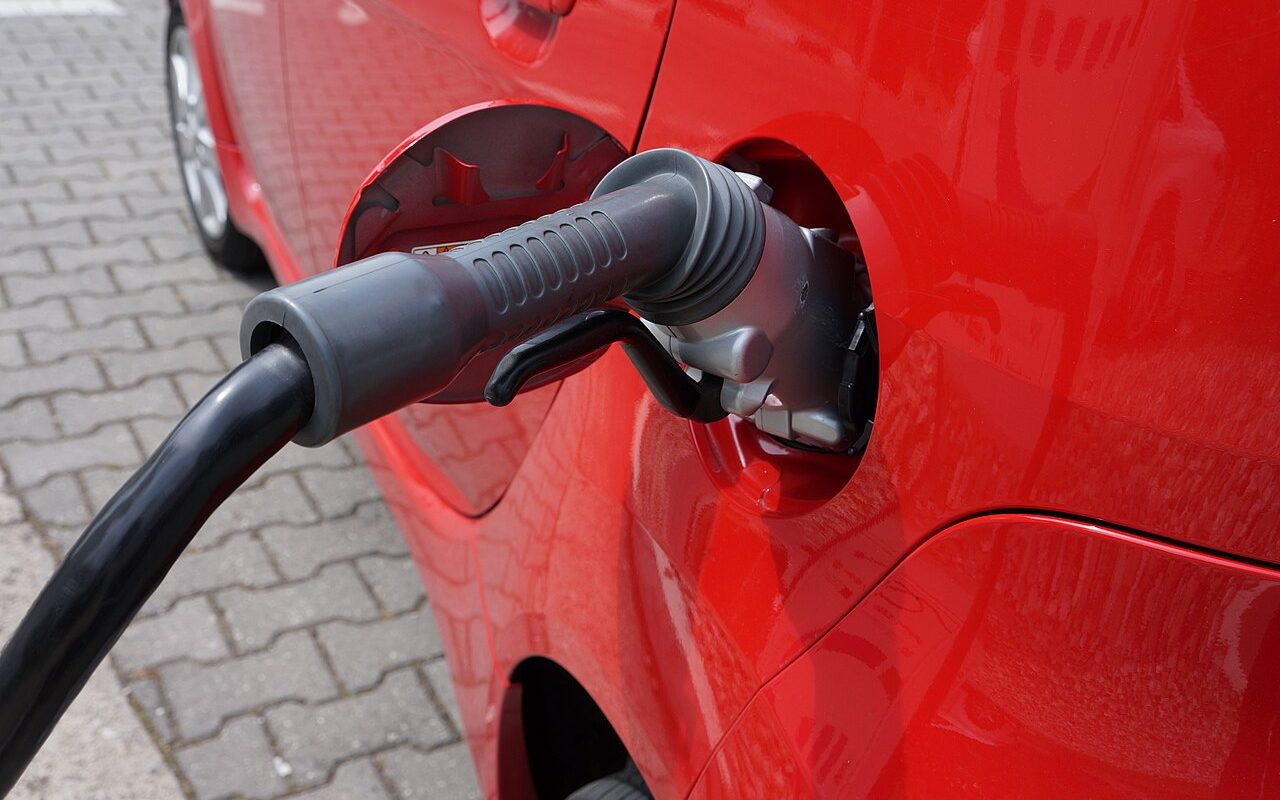
Quick answer: Good public EV charging etiquette is simple: use a compatible stall, start a session promptly, charge only as much as you reasonably need when others are waiting, and move the car when charging is finished. There is no universal rule requiring every driver to stop at 80%. Limits, congestion fees, grace periods and queue systems depend on the charging operator and specific site.
This guide explains the practical difference between an 80% recommendation, a site-imposed state-of-charge limit and an idle fee—and how to avoid unnecessary costs without leaving yourself short of range.
The five most useful public-charging rules
- Check compatibility and status first. Use the network app or vehicle navigation to confirm the connector, charger availability, pricing and any current limits.
- Park within one designated bay. Position the car so its own cable reaches without stretching across other bays or pedestrian routes.
- Only occupy a charging stall while you need it. An active session does not always mean the car is charging quickly, particularly at a high state of charge.
- Respect the queue. Follow any published virtual queue, local signs or clearly established arrival order; avoid unplugging somebody else’s car.
- Move promptly at the end. Station operators may assess idle or congestion fees even if you are shopping or sitting in a nearby café.
Do you have to stop DC fast charging at 80%?
No, not as a blanket rule. Many EVs reduce DC charging power as the battery gets fuller, which can make the final 20 percentage points slower. But some journeys, vehicles and locations justify charging above 80%; the right target is the energy needed to reach your destination or a reliable next charger with an appropriate reserve.
Tesla’s official Supercharging guidance says vehicles at busy stations may have their charging limit automatically adjusted to 80%, while drivers can change it in the app or touchscreen. Tesla also explains that charging speed typically slows as the battery fills. The practical lesson is to plan to the next stop, not automatically to 100%.
Our related guide explains why a 350 kW charger does not deliver 350 kW for an entire session.
Can a charging station stop a session at 85%?
Yes, at some specific stations. Electrify America identifies selected locations in an 85% state-of-charge congestion-reduction program. Its published description states that charging ends automatically at 85% at participating stations, followed by a ten-minute period to move the car before idle fees apply.
Important distinction: An 85% cap at a participating Electrify America site is not a rule for all Electrify America chargers or for other networks. Check the site’s app listing for its current conditions, especially before choosing a location that must deliver a higher state of charge.
Idle fees vs congestion fees: what is the difference?
| Fee type | Typical trigger | What to check |
|---|---|---|
| Idle fee | The session has ended but the car still occupies the stall | Grace period and per-minute rate |
| Congestion fee | A busy site’s charging or occupancy threshold is reached | State-of-charge trigger, site busyness and grace period |
| Parking fee | Local parking rules or parking duration | Signs, operator app and any separate parking payment |
As a concrete example, the Electrify America FAQ states that a driver who fails to unplug and move within ten minutes after the session ends may be charged $0.40 per minute. Because network and site rules can change, verify the rate and grace period displayed at the charger for your actual session.
Tesla, in contrast, describes congestion fees at busy Supercharger sites where the vehicle has reached the displayed threshold (generally 80% in its published US explanation) or the session has ended. Its official guidance describes a five-minute grace period for congestion fees. A car can therefore still be charging when a qualifying congestion fee begins. The amount and eligibility should always be checked in the Tesla app or site information.
Fee examples here are operator policies reported from their published information, not promises that any given charger has the same rate today.
What should you do when every fast charger is occupied?
Use the operator’s queue system first
If the network offers an official queue, join it in the app and follow its notifications. Where there is no queue system, follow local signage and a clear first-arrived order. Do not block a roadway, a neighboring charging bay or an accessible route while waiting.
Do not assume two cables mean two sessions
Some hardware has two connectors to accommodate different charge-port positions, not to charge two vehicles at once. For example, Electrify America’s FAQ says its dual-connector chargers generally support only one car at a time. A second visible cable is not evidence of an available stall.
Leave a realistic range reserve
If you are deciding whether to wait or travel to another charger, use the vehicle’s current range estimate and route planning tools. Do not depend only on a station map pin: verify availability, compatibility and any access restrictions. Our EV road-trip charging planner covers backup stops and range reserves.
Before, during and after: a practical charging checklist
Before plugging in
- Check charger type, maximum offered power and the car’s accepted charging connector.
- Read the displayed cost, potential idle fees, parking requirements and site-specific charge limits.
- Park so the cable is not stretched or obstructing another vehicle.
- Verify that the app or station display actually shows a session has started.
While charging
- Set phone/app notifications for charging completion and state of charge, where supported.
- Check the charging rate periodically; prolonged tapering may make another stall a better use of everyone’s time.
- Use the car’s route planner to determine an adequate departure charge, rather than relying on a fixed 80% target.
At the end
- Stop the session as instructed by the vehicle or charger, unlock and release the connector normally, and return the cable securely.
- Move the car out of the charging bay even if other stalls appear available; local idle rules may still apply.
- Confirm the receipt and any extra fees in the operator app, and report a broken station through the operator’s official channel.
Not sure which plug your EV accepts? Read our EV connector and charging-plug comparison.
Is slow AC destination charging different?
Usually, yes. AC workplace, hotel and destination charging is intended for longer dwell times, while DC fast charging aims for higher turnover. But parking signs and operator conditions always control. Do not assume overnight parking is permitted just because an AC post is present; confirm access hours, permitted stay and whether parking fees are separate from energy fees.
Key takeaway
The most considerate and cost-effective strategy is to arrive with a plan, check the station’s actual rules, charge to a useful level and free the bay promptly. Neither an 80% stopping target nor a specific grace period is universal. The network’s live app and station screen are authoritative for that particular session.
Sık Sorulan Sorular
Is it rude to charge an EV above 80%?
Not automatically. If you need more energy to safely reach your next stop and the site permits it, charging beyond 80% may be reasonable. At a busy fast charger, consider whether the final percentage points are worth the extra time.
What is an EV charger idle fee?
A fee that an operator may assess when a vehicle occupies a charging bay after the charging session ends. Rates and grace periods depend on the specific operator and location.
Do Tesla Superchargers always charge a fee after 80%?
No. Tesla's published congestion-fee policy depends on site conditions and a qualifying state-of-charge threshold or completed session. Check the Tesla app and the selected site's information.
Can an Electrify America charger stop at 85%?
At selected stations included in Electrify America's congestion-reduction program, yes. The 85% limit is not applied universally across the network.