Quick answer: Mitosis makes two daughter cells that generally preserve the parent’s chromosome number, whereas meiosis involves two divisions that reduce the chromosome number by half and usually produce four genetically different haploid cells. In humans, a typical body cell has 46 chromosomes and a sperm or egg has 23.
Both processes start after DNA is copied, but they solve different biological problems. Mitosis helps multicellular organisms grow and replace cells; meiosis is essential in sexual reproduction. These are simplified typical outcomes, and specialized cell types or errors can produce exceptions.
Mitosis vs. meiosis at a glance
| Feature | Mitosis | Meiosis |
|---|---|---|
| Main function | Growth and cell replacement | Production of haploid reproductive cells or their precursors |
| Division cycles | One | Two: meiosis I and II |
| Usual daughter cells | Two | Four haploid products |
| Chromosome number | Usually maintained | Halved |
| Genetic similarity | Typically very similar | Usually different |
| Homologous pairing and crossing over | Not typical | Usually during prophase I |
What happens during mitosis?
Before mitosis, DNA replication occurs during S phase of the cell cycle. During prophase, chromosomes condense; at prometaphase the nuclear envelope breaks down and microtubules interact with chromosomes. At metaphase, chromosomes align. During anaphase, sister chromatids move apart, and during telophase, new nuclear structures form. Cytokinesis usually separates the cytoplasm into two cells. The National Institute of General Medical Sciences glossary describes these stages.
What happens during meiosis?
Meiosis begins with one DNA replication followed by two rounds of division. During meiosis I, homologous chromosome pairs associate, genetic material can be exchanged by crossing over, and the homologs separate. During meiosis II, sister chromatids separate. No complete new round of DNA replication takes place between meiosis I and meiosis II. The outcomes are haploid cells with different combinations of genetic information.
Important distinction: In human sperm development, one primary spermatocyte can normally produce four haploid sperm cells. In egg development, division of the cytoplasm is unequal and usually yields one functional egg and small polar bodies rather than four functioning eggs.
Human chromosome-count example
A typical human diploid cell begins with 46 chromosomes arranged in 23 pairs. DNA replication doubles the amount of DNA but not the number of chromosomes at that stage when chromosomes are counted by centromeres. After normal mitosis, each daughter cell ordinarily has 46 chromosomes. After meiosis I, each product has 23 chromosomes, but each chromosome still consists of two sister chromatids. After meiosis II, the final haploid products ordinarily have 23 single-chromatid chromosomes.
Why do offspring differ genetically?
During meiosis, crossing over between homologous chromosomes and independent assortment of chromosome pairs create new genetic combinations. Fertilization combines genetic material from two gametes. That is why siblings are genetically distinct even when they share the same biological parents, except in special cases such as identical twins.
Common mistakes on biology exams
- Confusing the number of chromosomes with the number of DNA molecules after replication.
- Claiming that meiosis produces four identical daughter cells.
- Thinking crossing over is a regular feature of mitosis.
- Forgetting that meiosis II separates sister chromatids while meiosis I separates homologous chromosomes.
- Assuming that human egg production generates four mature eggs from one precursor cell.
Practice quiz with answers
1. Which process reduces chromosome number from diploid to haploid?
Answer: Meiosis. The reduction occurs when homologous chromosomes separate in meiosis I.
2. A typical human skin cell divides by mitosis. How many chromosomes does each daughter cell have?
Answer: 46, assuming normal chromosome segregation.
3. During which meiotic phase do homologous chromosomes normally pair and crossing over occur?
Answer: Prophase I.
4. What separates during anaphase of mitosis and anaphase II of meiosis?
Answer: Sister chromatids.
5. Why can meiosis create genetic variation?
Answer: Crossing over and independent assortment can create new combinations of alleles.
Related study guides and official sources
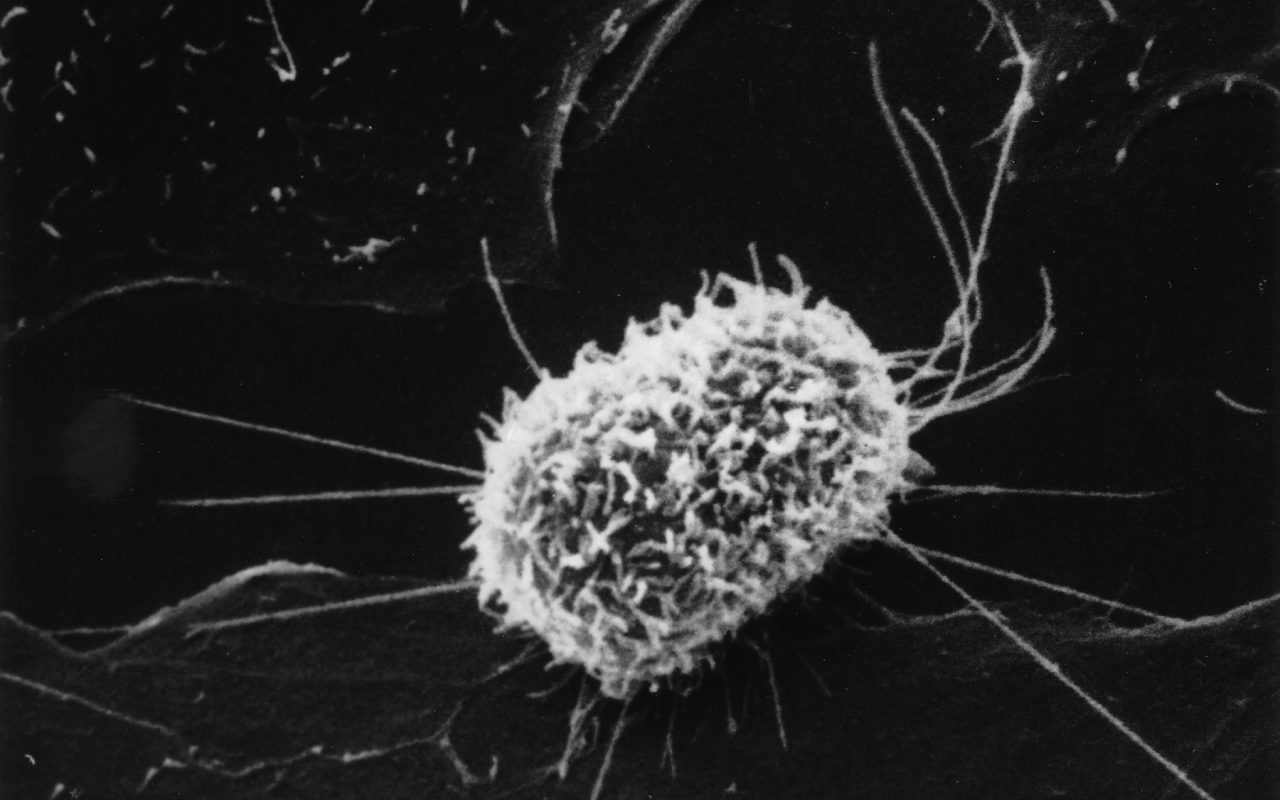
Continue with our photosynthesis lesson and the Biology & Life Science collection. Official definitions: NHGRI — Mitosis, NHGRI — Meiosis, and NIGMS glossary. Photo: National Cancer Institute mitosis micrograph, public domain; it specifically illustrates mitosis rather than meiosis.
Sık Sorulan Sorular
What is the easiest way to remember mitosis vs. meiosis?
Mitosis usually produces two daughter cells with the same chromosome number; meiosis uses two divisions to produce haploid products and genetic variation.
Does DNA replication happen twice in meiosis?
No. DNA is replicated once before meiosis I, with no full DNA replication between meiosis I and II.
Do human sperm and eggs have 23 or 46 chromosomes?
Normal mature human sperm and eggs have 23 chromosomes each; fertilization restores the usual diploid number of 46.